
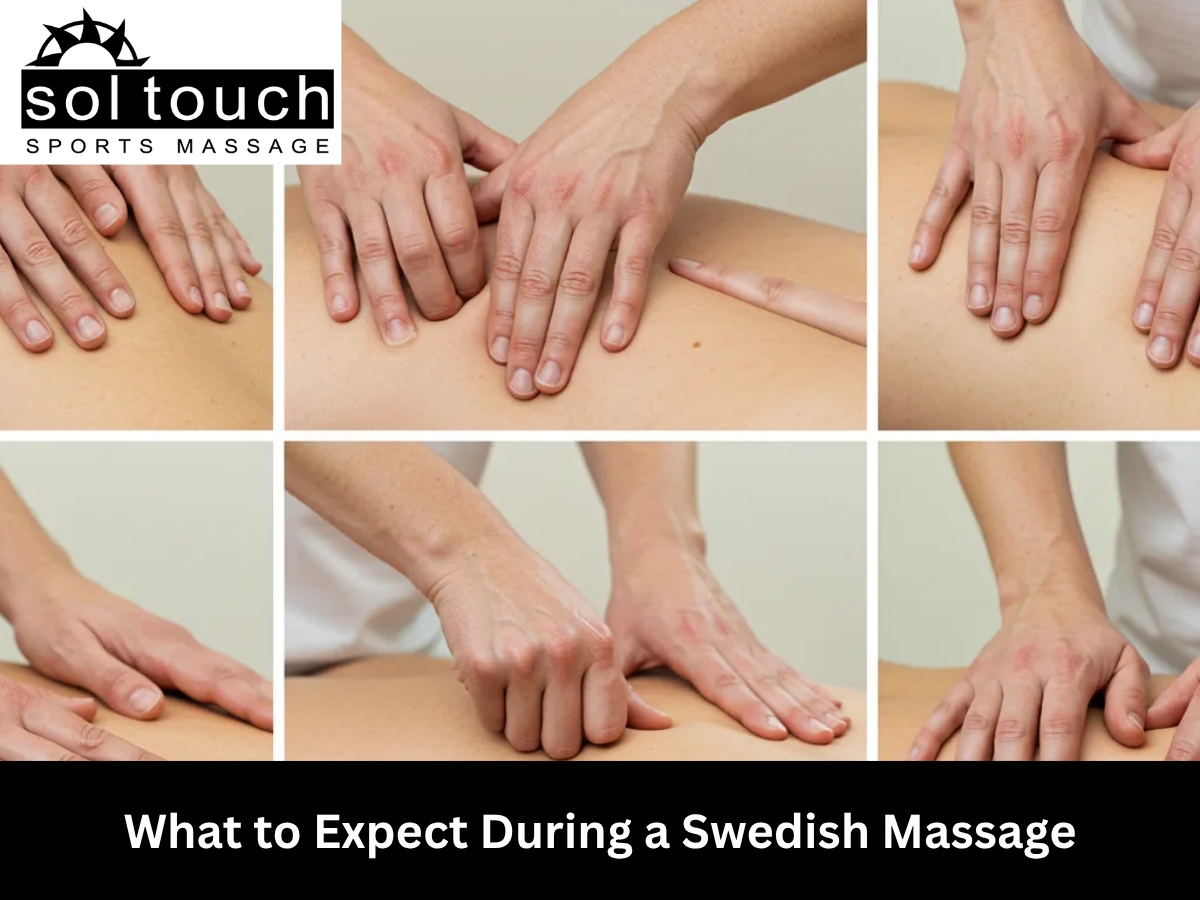
A first massage can feel exciting, but it can also bring a few questions. What happens when you arrive? What should you wear? Will the massage hurt? How much pressure should you expect? Knowing what to expect can make your first appointment more comfortable and help you get more from the experience.
Swedish massage is one of the most commonly recognized massage techniques and is often chosen by people who want to relax, ease everyday muscle tension, or simply take some time away from a busy schedule. The session usually involves long, flowing strokes, gentle kneading, and controlled pressure across different areas of the body. The therapist may adjust the pressure and techniques based on your comfort and the areas that need attention.
Massage can also be useful for people with active lifestyles. If you exercise regularly, spend long hours sitting at a desk, or deal with tight muscles after daily activities, professional massage may be a helpful part of your wellness routine.
At Sol Touch Massage in Tempe, Arizona, massage therapy is focused on helping athletes, active people, and anyone looking for professional massage care. The business offers several massage services, including Swedish massage, deep tissue, sports massage, stretching massage, and cupping. Understanding how a Swedish massage session works can help you decide whether it is the right option for your needs.
What Is a Swedish Massage?
Swedish massage is a hands-on massage technique that generally uses smooth strokes, kneading, circular movements, and varying levels of pressure. The goal is to work with the soft tissues and muscles while creating a relaxing and comfortable experience.
Unlike some forms of massage that focus heavily on intense pressure or specific athletic recovery needs, Swedish massage is often associated with relaxation and general muscle comfort. That does not mean the massage cannot address areas of tension. Your therapist can spend more time on areas that feel tight while still maintaining a generally comfortable approach.
How Does Swedish Massage Work?
During a typical session, the massage therapist may use several different hand techniques. Long gliding strokes can be used to warm the muscles, while kneading movements may be applied to areas with more tension.
The therapist may also use circular motions or moderate pressure depending on the area being treated. Pressure can vary because different parts of the body have different levels of sensitivity and muscle density.
Communication is an important part of the process. If the pressure feels too light, too strong, or uncomfortable, you should tell your therapist. A professional massage session should be adjusted to your comfort level rather than treated as something you simply have to tolerate.
Who May Benefit From This Type of Massage?
Swedish massage may be appropriate for people who want a relaxing massage experience, people dealing with everyday muscle tension, and individuals who are new to professional massage therapy.
It may also appeal to active adults who exercise but do not necessarily need the more focused approach of a sports or deep tissue session. For example, someone who spends several days working out and several hours sitting at a desk may want a massage that combines relaxation with attention to areas of muscle tension.
If you have a specific injury, ongoing pain, or medical condition, it is important to discuss your situation with an appropriate health professional before deciding which type of massage is suitable for you.
What Happens Before Your Massage?
Your massage experience begins before the therapist starts working on your muscles. When you arrive, you may be asked about your goals, areas of discomfort, previous massage experience, and any concerns that could affect the session.
This conversation gives the therapist useful information. For example, you might explain that your shoulders feel tight from working at a computer, your legs feel tired after exercise, or you simply want a relaxing session.
Discuss Your Goals
Think about what you want from the appointment before you arrive. You do not need to know every massage technique or give your therapist a detailed medical explanation. A simple statement such as "My shoulders have been tight this week" can help guide the session.
If you are an active person, mention your normal activities as well. Running, weightlifting, cycling, sports, and other forms of exercise can affect which areas receive more attention.
Talk About Pressure
Everyone experiences pressure differently. What feels relaxing to one person may feel uncomfortable to another.
Let your therapist know what feels comfortable. If you are unsure about the pressure you want, starting with moderate pressure can be a practical choice. You can always ask the therapist to increase or decrease it during the session.
Ask Questions
First-time clients sometimes feel embarrassed about asking basic questions. There is no reason to feel that way. A professional therapist expects clients to have questions, especially when they are receiving massage for the first time.
You can ask about the techniques being used, how you should position yourself, what clothing is appropriate, or what you should do after the session.
What Happens During the Massage?
Once the session begins, your therapist will explain how to get comfortable and will provide appropriate privacy for you to prepare. You will normally be covered with a sheet or towel, with only the area currently being worked on exposed.
You do not need to feel pressured to undress beyond what is comfortable for you. Your therapist should respect your privacy and comfort throughout the appointment.
Once you are ready, the massage may begin with lighter strokes. These movements help the therapist warm the muscles and become familiar with areas of tension.
The Massage May Start Gently
The beginning of a session may involve slower, lighter movements. This gives you time to relax and allows the therapist to assess how your muscles feel.
As the session continues, the pressure and techniques may change. Some areas may receive more attention if they feel particularly tense.
For example, if you have spent the week sitting at a desk, your neck and shoulders may need more attention. If you are physically active, your legs or back may be areas where you notice more tension.
You May Feel Different Types of Pressure
A Swedish massage does not necessarily feel the same from beginning to end. Your therapist may alternate between long strokes, kneading, and other movements.
Some areas may feel more sensitive than others. That is normal, but pain should not be something you are expected to endure. If something feels sharp, excessively painful, or simply uncomfortable, communicate with your therapist.
Relaxation Is Part of the Experience
One of the main reasons people choose this type of massage is to relax. You may notice that your breathing becomes slower as the session continues, or that your body feels heavier as you become more comfortable.
Some people talk with their therapist throughout the session, while others prefer quiet. Either is fine. You can let your therapist know if you would prefer a quiet session.
What Should You Expect After the Massage?
After the session, you may notice that your muscles feel relaxed or less tense. Some people feel refreshed and ready to continue their day, while others feel very relaxed and prefer to take things slowly.
Your response can vary depending on the amount of pressure used, your activity level, and how your body felt before the massage.
Drink Water and Take It Easy
It can be helpful to drink water after a massage and give yourself some time to transition back into your normal routine. If you have a physically demanding workout planned immediately afterward, consider whether your body would benefit from a lighter schedule instead.
If your massage was particularly focused on areas of muscle tension, you may experience mild tenderness afterward. Strong or persistent pain is different and should not be ignored.
Pay Attention to How You Feel
Your response after a massage can help you and your therapist understand what worked well for you.
For example, if you felt that your shoulders were still tense after the session, you could mention that during your next appointment. If the pressure was too strong, you can request a lighter approach next time.
Massage is not a one-size-fits-all experience. Your preferences can change depending on your activity level, stress, and physical condition.
How Swedish Massage Compares With Other Massage Services
People sometimes assume that every massage is basically the same. In reality, different massage techniques can serve different purposes.
Swedish massage generally provides a relaxing approach using flowing strokes and kneading techniques. Deep tissue massage generally involves more focused work on deeper areas of muscle tension. Sports massage is often chosen by active people and athletes who want massage that fits into their training and recovery routine.
Stretching massage focuses more heavily on movement and flexibility, while cupping uses specialized cups as part of the treatment.
Swedish Massage vs. Deep Tissue Massage
If you want a relaxing massage with moderate pressure, Swedish massage may be a good option to consider. Deep tissue massage may be more appropriate for someone specifically looking for focused work on areas of persistent muscle tightness.
However, choosing between the two should not be based solely on the name of the massage. Your goals, comfort level, and areas of concern all matter.
Swedish Massage vs. Sports Massage
Sports massage is commonly associated with athletes and active people. It may focus on areas affected by training, repetitive movements, or athletic activity.
Someone who exercises regularly may still prefer a Swedish massage when relaxation is the main goal. If recovery from athletic activity is the priority, sports massage may be worth discussing with your therapist.
At Sol Touch Massage, clients in Tempe can choose from several massage services based on their individual needs and goals. The business works with athletes and active clients and focuses specifically on massage rather than offering a broad range of unrelated spa services.
How to Prepare for Your First Massage
A little preparation can make your appointment easier and more comfortable.
Avoid Arriving Rushed
Give yourself enough time to arrive without feeling stressed. Walking into a massage appointment after rushing through traffic or running from one commitment to another can make it harder to relax.
Eat Lightly Before Your Appointment
You do not necessarily need to avoid food before a massage, but eating a very large meal immediately beforehand may leave you uncomfortable while lying on the massage table.
A light meal or snack may be more comfortable if you are hungry before your appointment.
Wear Comfortable Clothing
You will receive privacy to prepare for the massage, and your therapist will use appropriate draping during the session. Comfortable clothing can make it easier to transition before and after your appointment.
Share Important Information
Before your massage begins, tell your therapist about relevant concerns. This can include recent injuries, areas that are particularly sensitive, or activities that have caused unusual muscle tension.
If you have a medical condition or are unsure whether massage is appropriate for you, speak with your doctor or another qualified health professional before scheduling a session.
When Should You Consider a Swedish Massage?
There is no single perfect time for everyone. Some people schedule a massage when they feel stressed, while others include it regularly in their wellness routine.
An active person might schedule a massage during a lighter training period. Someone who works at a desk might book an appointment after a particularly demanding workweek. Others may simply want dedicated time to relax.
The important point is to think about why you want the massage. If your goal is general relaxation and everyday muscle comfort, Swedish massage may be worth considering.
For people who have specific athletic goals, significant muscle tension, or a need for focused recovery work, other massage options may be more appropriate. A conversation with a qualified massage therapist can help you decide.
Conclusion
Knowing what to expect can make your first massage much less intimidating. From the initial conversation with your therapist to the techniques used during the session, the experience should focus on your comfort, goals, and individual needs.
Swedish massage can be a practical option for people looking for relaxation and general muscle care. It can also be a useful choice for active adults who want to take time away from their routine and give their bodies a chance to relax.
If you are in Tempe, Arizona, and want to explore professional massage therapy, Sol Touch Massage offers several options, including Swedish massage, deep tissue, sports massage, stretching massage, and cupping. With a focus on athletes, active people, and professional massage care, Sol Touch Massage can help you choose an approach that fits your goals.
Before booking, consider what you want from your appointment and communicate those goals clearly with your therapist. A comfortable, professional massage experience starts with understanding what you need and making sure your therapist knows how to support those needs.
Frequently Asked Questions
Is a Swedish massage painful?
A Swedish massage is generally designed to be comfortable and relaxing, although some areas may feel more sensitive than others. You should communicate with your therapist if the pressure feels uncomfortable or painful.
How long does a Swedish massage usually last?
Massage sessions can vary in length. A 60-minute appointment is a common choice because it provides enough time to work through multiple areas without making the session feel rushed.
What should I wear during a Swedish massage?
Your therapist will explain how to prepare and will provide appropriate privacy and draping. You should only remove clothing that you are comfortable removing for the treatment.
Should I talk during my massage?
You can talk if you want to. However, many people prefer quiet so they can relax. The important thing is to communicate when you need to discuss pressure, comfort, or anything related to the treatment.
Can athletes get Swedish massage?
Yes. Athletes can choose Swedish massage when relaxation and general muscle comfort are their primary goals. However, sports massage may be a better option when the main focus is athletic recovery or specific training-related concerns.
How should I feel after a massage?
Many people feel relaxed afterward, while others may feel refreshed or notice that areas of tension feel different. Individual responses vary, so give your body some time to adjust after the appointment.
How do I choose the right massage?
Start by considering your main goal. If you want relaxation and general muscle work, Swedish massage may be a good choice. If you want focused work for tight muscles, athletic recovery, stretching, or other specific needs, discuss the available options with your massage therapist.