
Cupping massage has become increasingly popular among athletes, active adults, and people looking for a different approach to muscle tension and recovery. You may have seen the round marks left by cups on an athlete's back or shoulders and wondered what they mean. While cupping has been used for centuries in traditional healing practices, modern massage therapists often use it alongside other hands-on techniques to support relaxation, mobility, and muscle recovery.
For people who exercise regularly, spend long hours sitting, or simply experience tight and tired muscles, understanding how cupping works can help you decide whether it is an appropriate option. The technique involves placing specialized cups on the skin and creating suction. Depending on the method used, the cups may remain in one position or be moved across the skin with massage oil.
At Sol Touch Massage, cupping is one of several massage services available for clients in Tempe, Arizona. The practice also offers sports massage, deep tissue massage, stretching massage, and Swedish massage. This range of services makes it possible to choose an approach based on your goals, activity level, and personal preferences.
Before booking a session, it is helpful to understand what cupping actually does, what a session feels like, why people use it, and what to expect afterward.
What Is Cupping Massage?
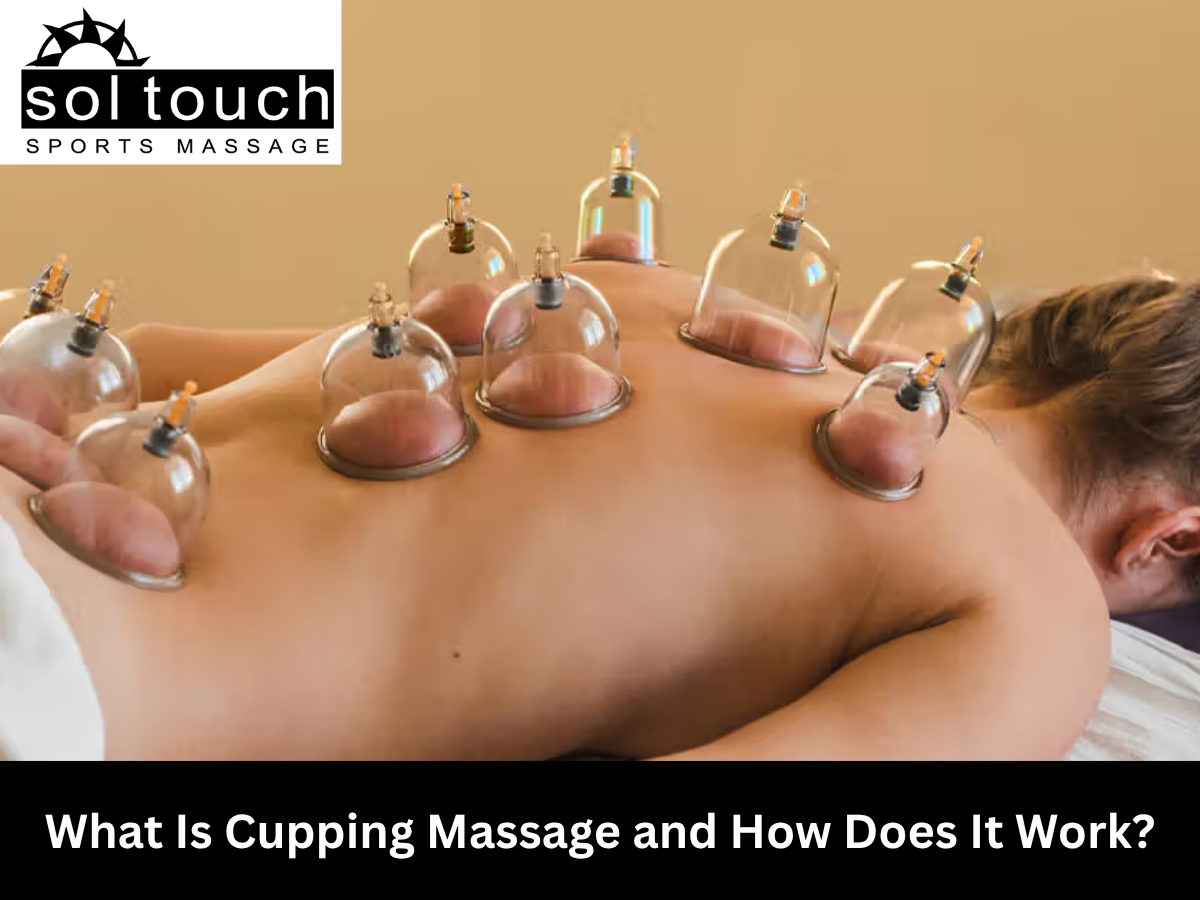
Cupping massage is a technique in which cups are placed on the skin to create suction. The cups may be made from materials such as silicone, plastic, or glass, depending on the technique and practitioner. The suction gently lifts the skin and the tissues immediately underneath it.
Unlike a traditional massage, where pressure is generally applied downward into the muscles, cupping uses suction to lift tissue. This creates a different sensation and allows the therapist to work on areas that may feel tight or restricted.
Cupping can be used as a stand-alone technique or combined with other massage methods. For example, a therapist may use traditional massage techniques first and then introduce cups to specific areas that have significant muscle tension.
There are several forms of cupping. Dry cupping uses suction without making cuts in the skin. Moving cupping involves applying oil to the skin and gently sliding the cups across an area. Static cupping involves leaving cups in place for a period of time before removing them.
The specific approach depends on the therapist, the client's goals, and the area being treated.
Why Do People Try Cupping?
People seek cupping for many different reasons. Athletes may use it as part of a broader recovery routine, while others may be interested in it because of muscle tightness or general physical discomfort.
Some people also enjoy the relaxing sensation of a massage session and want to try a technique that feels different from conventional massage. Cupping should not be viewed as a replacement for medical care, but it can be part of a broader approach to managing everyday muscle tension and supporting physical recovery.
How Does Cupping Massage Work?
The basic principle behind cupping is simple. A cup is placed against the skin, and suction is created inside the cup. This causes the skin and superficial tissue to rise slightly into the cup.
The therapist controls the amount of suction and determines where the cups are placed. Depending on the technique, cups may stay in place or move across the skin.
The temporary suction can increase local blood flow to the skin and surrounding tissues. This is one reason the treated areas can become red or develop temporary circular marks after a session.
It is important to understand that these marks are not bruises in the traditional sense, although they can look similar. They are generally caused by the suction and changes in blood flow near the surface of the skin. The appearance and duration of the marks can vary from person to person.
What Happens During a Cupping Session?
A typical session begins with a conversation between you and your massage therapist. You may discuss areas that feel tight, your activity level, previous massage experience, and what you hope to get from the session.
The therapist then chooses an appropriate technique and places the cups on selected areas. You may feel a pulling or lifting sensation as the suction begins. For many people, the sensation is unusual at first but becomes comfortable once they get used to it.
If moving cupping is used, the therapist may apply massage oil before gently moving the cups across the skin. This can create a gliding sensation rather than the stationary feeling associated with traditional cupping.
Communication is important throughout the appointment. If the suction feels too strong, painful, or uncomfortable, let your therapist know. A professional session should focus on your comfort and safety.
Potential Benefits of Cupping Massage
Research into cupping is still developing, and the strength of evidence varies depending on the condition being studied. Some studies suggest that cupping may help with certain types of pain and muscle discomfort, while more research is needed to understand its full effects.
That means it is best to view cupping as a complementary massage technique rather than a guaranteed treatment for a medical condition.
Muscle Relaxation
One reason people choose cupping is the feeling of relaxation it can provide. The suction and massage techniques may help an area feel less tense during and after a session.
For someone who regularly experiences tight muscles after exercise, a cupping session may be one part of a larger recovery routine.
Support for Active Lifestyles
People who participate in running, strength training, basketball, cycling, hiking, or other physical activities often pay close attention to recovery. Rest, hydration, nutrition, sleep, stretching, and appropriate exercise planning all play important roles.
Massage can also be included in that routine. Cupping may be especially interesting to active adults who want to explore different massage techniques.
At Sol Touch Massage, the focus on sports massage and work with active clients makes cupping a natural option for people who want to include massage in their recovery routine.
Temporary Relief From Muscle Tension
Some people report that their muscles feel looser after cupping. This may be particularly noticeable in areas that commonly become tense, such as the back, shoulders, hips, and legs.
However, results can vary. Cupping is not a cure for injuries or underlying medical conditions, and persistent pain should be evaluated by an appropriate health professional.
A Different Massage Experience
Traditional massage generally involves pressure applied through the hands, fingers, forearms, or other techniques. Cupping creates a different sensation because the tissues are lifted rather than simply compressed.
For people who have tried conventional massage and want to experience another approach, cupping can provide a useful alternative.
Cupping Massage for Athletes and Active Adults
Athletes place repeated demands on their muscles and joints. A hard workout, long run, game, or training session can leave the body feeling tired and tight.
Recovery is an important part of staying active. It includes giving the body enough time to rest, eating properly, drinking enough fluids, getting adequate sleep, and managing training intensity.
Massage can complement these habits. Athletes sometimes use different massage techniques depending on their needs, with sports massage, deep tissue massage, stretching, and cupping being among the options available at Sol Touch Massage.
For example, a runner may be interested in massage after a demanding training week. Someone who lifts weights may want attention focused on areas that become tight during strength training. A recreational athlete may simply want a relaxing session after an active weekend.
The key is choosing a technique that fits the individual rather than assuming one type of massage is best for everyone.
Cupping and Sports Massage
Sports massage and cupping can sometimes be used together. Sports massage generally focuses on the needs of active people and may include techniques designed to address muscle tension and support recovery.
Cupping can be added to a session when the therapist believes it is appropriate. The combination may give the client a different physical sensation than hands-on massage alone.
If you are an athlete or exercise regularly, discuss your training schedule with your massage therapist. Knowing when you last trained and which areas feel tight can help the therapist plan the session appropriately.
What to Expect After Cupping
One of the most noticeable things after cupping is the appearance of circular marks. These marks can range from light pink to darker red or purple, depending on factors such as skin sensitivity, suction strength, and the length of time the cups were applied.
The marks are usually temporary and fade over several days. Everyone responds differently, so the exact appearance and duration cannot be predicted.
The treated area may also feel slightly sensitive after the session. Most people can continue with normal daily activities, but it is sensible to pay attention to how your body feels.
After a massage session, many people choose to drink water, eat normally, rest if needed, and avoid immediately pushing themselves through an extremely demanding workout. Your therapist can provide guidance based on the type of session you received.
Is Cupping Supposed to Hurt?
Cupping can create a strong pulling sensation, but it should not be unbearable. The goal is not to create as much suction as possible.
If you experience sharp pain, excessive discomfort, or a sensation that concerns you, tell your therapist immediately. The suction can be adjusted, or the cups can be removed.
A good massage experience depends on communication. Your comfort level matters throughout the session.
Who Should Avoid Cupping?
Although cupping is generally used as a complementary massage technique, it is not appropriate for everyone.
People with certain medical conditions, skin problems, bleeding disorders, or other health concerns may need to avoid cupping or receive clearance from a medical professional first. People taking medications that affect blood clotting should also speak with their healthcare provider before trying cupping.
Cupping should not be performed over open wounds, infected skin, or areas with certain skin conditions. Pregnant clients should discuss massage and cupping with a qualified healthcare professional and their massage therapist before treatment.
If you have a current injury, unexplained pain, or a medical condition, talk with your healthcare provider rather than using massage as a substitute for diagnosis or treatment.
How to Prepare for Your First Cupping Session
Preparing for a massage does not have to be complicated. Start by choosing comfortable clothing that allows your therapist to access the areas being treated.
Before the appointment, tell your therapist about relevant injuries, medical concerns, medications, and especially sensitive areas. Also explain whether you are preparing for an athletic event, recovering from training, or simply looking for relaxation.
Avoid arriving immediately after a very large meal. Give yourself enough time to arrive without feeling rushed.
Most importantly, have realistic expectations. Cupping can be a useful addition to a massage routine, but it is not a guaranteed solution for every type of pain or physical problem.
If you are unsure whether cupping, deep tissue, sports massage, stretching massage, or Swedish massage is the best choice, discuss your goals with a professional massage therapist.
Why Choose Sol Touch Massage in Tempe?
Choosing a massage therapist is about more than selecting a convenient appointment time. It is also important to consider the therapist's experience, services, and understanding of different client needs.
Sol Touch Massage in Tempe offers several massage options, including cupping, sports massage, deep tissue massage, stretching massage, and Swedish massage. This allows clients to explore different approaches based on their individual goals.
The business also has a strong connection with athletes and sports performance, making it a relevant option for active people who want massage as part of their recovery routine.
Whether you are an athlete, a fitness enthusiast, or someone dealing with everyday muscle tension, discussing your needs before a session can help you determine which service may be appropriate.
Conclusion
Cupping massage is a traditional technique that uses suction to lift the skin and superficial tissues. Today, many people explore it as a complementary approach to massage, relaxation, muscle tension, and athletic recovery.
The technique is different from traditional massage because it creates a lifting sensation rather than relying only on direct pressure. Temporary circular marks are common, and results can vary from person to person.
For active adults and athletes, cupping may be one part of a broader recovery routine that also includes proper rest, stretching, hydration, nutrition, and appropriate training. It is important to maintain realistic expectations and remember that massage does not replace medical care when an injury or persistent health concern is involved.
If you are in Tempe, Arizona, and want to learn whether cupping is a good fit for your massage goals, consider speaking with the team at Sol Touch Massage. With services including cupping, sports massage, deep tissue massage, stretching massage, and Swedish massage, Sol Touch Massage can help you explore massage options based on your needs and activity level.
Frequently Asked Questions
What is cupping massage?
Cupping massage uses specialized cups to create suction against the skin. The suction lifts the skin and superficial tissue and creates a different sensation from traditional hands-on massage.
Does cupping leave marks?
Yes. Cupping can leave temporary circular marks that may look like bruises. They usually fade within several days, although the appearance and duration can vary from person to person.
Is cupping massage painful?
Cupping can feel like a strong pulling or lifting sensation, but it should not be excessively painful. Tell your therapist if the pressure or suction feels uncomfortable.
How long do cupping marks last?
The marks commonly fade within several days, but the exact timeframe depends on the individual, the strength of the suction, and other factors.
Can athletes benefit from cupping?
Some athletes use cupping as part of a broader recovery routine. It may be combined with sports massage, stretching, rest, hydration, and other recovery practices.
Can cupping replace medical treatment?
No. Cupping is a complementary technique and should not replace medical evaluation or treatment for injuries, persistent pain, or health conditions.
How do I know if cupping is right for me?
The best way to decide is to discuss your goals, health history, activity level, and concerns with a qualified massage therapist. You can also speak with your healthcare provider if you have a medical condition or take medications that could affect your suitability for cupping.