
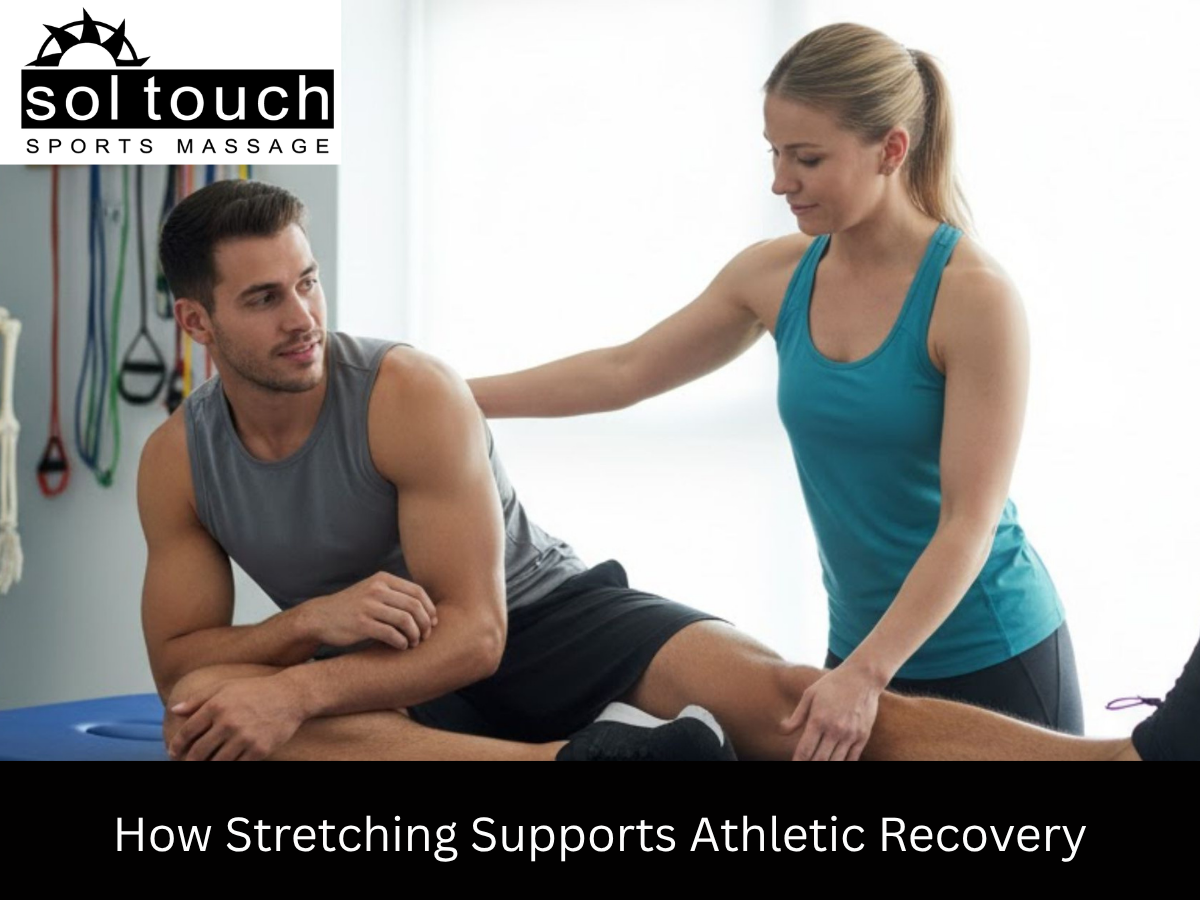
Athletic performance is not only about how hard you train. Recovery plays an equally important role in helping your body prepare for the next workout, practice, or competition. When muscles are repeatedly challenged without enough attention to recovery, tightness, reduced mobility, soreness, and movement limitations can make it harder to stay active.
Stretching is one simple way athletes can support recovery and maintain better movement. Regular stretching can help improve flexibility, encourage comfortable movement, and reduce the feeling of stiffness that often follows demanding physical activity. When combined with proper hydration, nutrition, sleep, strength training, and other recovery methods, stretching can become an important part of an athlete's routine.
For athletes and active adults in Tempe, Arizona, Sol Touch Massage offers services that can complement an active lifestyle, including stretching massage, sports massage, deep tissue massage, cupping, and Swedish massage. Adding professional massage and stretching work to a regular recovery routine can help athletes pay closer attention to areas of tension and mobility.
Why Recovery Matters for Athletes
Every workout places stress on the body. Strength training creates demand on muscles, running repeatedly loads the legs, and sports such as basketball, soccer, and football require frequent changes in direction, jumping, sprinting, and stopping. The body needs time and proper care to recover from these demands.
Recovery allows the body to adapt to training. Without adequate recovery, athletes may feel unusually tired, stiff, or limited in their movement. Over time, poor recovery habits can also make it harder to maintain consistent training.
Stretching is not a replacement for rest or medical treatment, but it can be one useful part of a broader recovery plan. It can help athletes maintain comfortable movement and work on areas that become tight after repeated activity.
Stretching and Muscle Stiffness
Muscles can feel stiff after intense exercise, especially when an athlete performs movements that the body is not accustomed to. A hard leg workout, long run, or demanding practice can leave the hips, hamstrings, calves, and quadriceps feeling tight.
Gentle stretching after exercise may help an athlete move more comfortably while the body returns to its normal state. The goal is not to force a muscle into a deep stretch. Instead, athletes should use controlled movements and avoid sharp pain.
How Stretching Can Support Athletic Recovery
Stretching can contribute to recovery in several practical ways. Its main value comes from helping athletes maintain flexibility and comfortable movement rather than treating an injury.
Supporting Flexibility
Flexibility refers to how much movement is available around a joint. Different sports require different levels and types of flexibility. A runner may need good mobility through the hips and ankles, while a basketball player may benefit from comfortable movement through the hips, knees, ankles, and shoulders.
Consistent stretching can help maintain flexibility when performed safely and regularly. It is usually more effective to spend a few minutes stretching consistently than to perform one long stretching session occasionally.
Encouraging Better Movement
Athletes rely on coordinated movement. Tight muscles can sometimes make certain movements feel restricted or uncomfortable. When an athlete regularly works on flexibility and mobility, everyday movements and sport-specific activities may feel easier.
For example, a soccer player who spends long periods running and kicking may notice tightness in the hips and hamstrings. Gentle stretching can be included in the recovery routine to help maintain comfortable movement in these areas.
Helping Athletes Feel Less Stiff After Exercise
Post-workout stiffness is common, particularly after unfamiliar or intense activity. Light stretching can provide a simple way to move the body after training rather than immediately becoming inactive.
A short recovery routine might include gentle stretches for the major muscle groups used during exercise. Athletes should focus on controlled breathing and relaxed movements instead of trying to stretch as far as possible.
Stretching Before and After Exercise
One common question athletes have is whether stretching should happen before or after a workout. The answer depends on the type of stretching and the activity.
Before exercise, athletes generally benefit from movements that gradually prepare the body for activity. Dynamic movements can increase body temperature and take joints and muscles through controlled ranges of motion.
After exercise, slower and more relaxed stretching may be appropriate when the body is warm. This can be a comfortable way to transition from training into recovery.
Dynamic Stretching Before Exercise
Dynamic stretching involves controlled movement rather than holding a position for a long period. Examples include walking lunges, leg swings, arm circles, and controlled hip movements.
These exercises can be useful as part of a warm-up because they allow the body to move through ranges of motion while gradually preparing for physical activity.
For example, a runner might begin with a light walk or jog and then perform controlled leg swings and walking lunges before starting a harder run.
Gentle Stretching After Exercise
After training, athletes can use slower stretches to work on areas that feel tight. A post-workout routine may include gentle hamstring, calf, hip flexor, chest, and shoulder stretches.
Each movement should be comfortable. Stretching should create mild tension rather than sharp pain, burning, numbness, or significant discomfort.
Stretching for Different Types of Athletes
Different sports place different demands on the body. A useful recovery routine should reflect those demands.
Runners
Running places repeated stress on the lower body. Runners often pay attention to the calves, hamstrings, quadriceps, hip flexors, and glutes.
A runner can include gentle mobility and stretching exercises after training. Regular recovery work can be especially useful during periods of increased mileage or when preparing for a race.
Massage can also complement a runner's recovery routine. At Sol Touch Massage, sports massage and stretching massage can provide additional support for active people who want to focus on mobility and muscle recovery.
Strength Training and Weightlifting
Strength training requires muscles to work under resistance. Exercises such as squats, deadlifts, lunges, presses, and rows can involve several major muscle groups.
After strength training, athletes may notice tightness in areas that were heavily used. Gentle stretching and mobility work can help maintain comfortable movement between training sessions.
It is also important to remember that flexibility is only one part of physical performance. Strength, technique, rest, nutrition, and proper training progression all matter.
Basketball and Court Sports
Basketball involves sprinting, jumping, landing, cutting, and changing direction. These movements place considerable demands on the lower body.
Athletes may benefit from paying attention to the hips, calves, hamstrings, quadriceps, and ankles. A good warm-up before practice and gentle recovery work afterward can help athletes maintain their movement routine.
Team and Contact Sports
Football, soccer, hockey, and other team sports often involve repeated acceleration, deceleration, contact, and changes in direction. Athletes in these sports may have particularly demanding recovery schedules during a season.
Stretching can be included alongside rest days, strength work, conditioning, hydration, and other recovery practices. Athletes should also seek appropriate medical care when pain persists or an injury is suspected.
Combining Stretching With Massage Therapy
Stretching can be useful on its own, but many active people combine stretching with massage therapy as part of a larger recovery routine. These services can address different aspects of how the body feels after physical activity.
Massage may focus on areas where an athlete experiences muscle tension, while stretching can focus on comfortable movement and flexibility.
Stretching Massage
Stretching massage can be a useful option for people who want to combine massage techniques with assisted stretching and mobility work. The approach can be particularly appealing to active adults who regularly exercise and want to spend more time addressing areas that feel restricted.
At Sol Touch Massage, stretching massage is one of the services available for clients who want to support mobility and recovery. The service can be considered alongside sports massage, deep tissue massage, cupping, or Swedish massage depending on the individual's goals.
Sports Massage
Sports massage is commonly associated with athletes and active individuals. It can be incorporated into a recovery routine before or after demanding physical activity.
For an athlete who trains several times per week, professional massage can provide an opportunity to focus on areas that receive repeated physical stress. Sol Touch Massage works with active clients and athletes in the Tempe area, making sports massage and recovery-focused services a natural part of its offerings.
Deep Tissue Massage
Deep tissue massage uses focused pressure on deeper muscle areas. It may be considered by people who experience significant muscle tension or who regularly participate in demanding physical activities.
However, deeper pressure is not always better. The appropriate massage approach depends on the person's comfort, goals, activity level, and current condition.
Building a Practical Stretching and Recovery Routine
A recovery routine does not need to be complicated. Consistency is often more useful than trying to perform a long routine once in a while.
Start by identifying the activities you perform most often. A runner may focus on the lower body, while a swimmer may need to include more attention to the shoulders and upper back.
Warm Up Before Intense Activity
Do not rely on long static stretches as your entire warm-up. Begin with light activity and controlled dynamic movements that gradually prepare the body for exercise.
The goal is to increase body temperature and prepare your muscles and joints for the movements you are about to perform.
Stretch Gently After Training
After your workout, spend several minutes moving through gentle stretches. Avoid bouncing or forcing a muscle beyond a comfortable range.
If a particular area consistently feels restricted, consider discussing it with a qualified professional who can help determine an appropriate approach.
Give Your Body Time to Recover
Stretching cannot replace sleep, rest, hydration, or proper nutrition. Athletes need adequate recovery time between demanding training sessions.
If you train hard every day without allowing your body to recover, adding more stretching alone will not solve the problem. A balanced training schedule is essential.
Pay Attention to Pain
Normal stretching should not cause sharp or severe pain. If you experience significant pain, swelling, weakness, numbness, or a sudden loss of movement, stop the activity and consider seeking advice from an appropriate healthcare professional.
Stretching should support healthy movement, not be used to push through an injury.
How Stretching and Mobility Fit Into Long-Term Training
Athletes often focus heavily on performance goals. They may track running times, lifting numbers, repetitions, distances, or game statistics. Recovery deserves similar attention.
Adding regular Stretching & Mobility work to a training routine can help athletes remain aware of how their bodies move. Over time, this can encourage better recovery habits and help athletes identify areas that frequently feel tight or restricted.
A long-term routine might include dynamic warm-ups before training, gentle stretching after exercise, mobility exercises on recovery days, regular strength training, sufficient sleep, proper nutrition, and massage when appropriate.
The exact routine should depend on the athlete's sport, training volume, age, experience, and individual needs.
Common Mistakes Athletes Make With Stretching
Stretching sounds simple, but athletes can still make mistakes that reduce its usefulness.
One common mistake is stretching aggressively. More intensity does not necessarily mean better results. Forcing a muscle into an uncomfortable position can create unnecessary strain.
Another mistake is stretching only when something feels wrong. Recovery works best as a regular part of training rather than an emergency response to every episode of stiffness.
Some athletes also skip warm-ups and immediately begin intense exercise. A gradual warm-up can prepare the body for more demanding movement.
Finally, stretching should not be treated as a complete injury prevention program. Proper technique, progressive training, strength development, rest, footwear, equipment, and medical guidance when needed are all important.
Conclusion
Stretching can be a simple and practical addition to an athlete's recovery routine. By supporting flexibility, comfortable movement, and mobility, regular stretching can help athletes stay prepared for the physical demands of their sport.
The best results come from looking at recovery as a complete process. Warm up before demanding activity, stretch appropriately, stay hydrated, eat well, get enough sleep, schedule rest, and pay attention to persistent pain or unusual symptoms.
For athletes and active adults in Tempe, Sol Touch Massage provides services including stretching massage, sports massage, deep tissue massage, cupping, and Swedish massage. If you want to make recovery a more consistent part of your training routine, consider speaking with Sol Touch Massage about which service may fit your activity level and recovery goals.
Frequently Asked Questions
Is stretching good after a workout?
Gentle stretching after exercise can help an athlete transition into recovery and work on flexibility. It should be comfortable and should not cause sharp pain.
Should I stretch before or after exercise?
Both can have a place in a training routine. Dynamic movements are commonly used during warm-ups, while gentle stretching can be performed after exercise when the muscles are warm.
Can stretching help muscle soreness?
Stretching may help some people feel more comfortable when they are stiff after exercise. However, it does not eliminate the normal muscle soreness that can follow demanding workouts.
How often should athletes stretch?
The ideal frequency depends on the athlete and the type of training. Short, consistent sessions are generally easier to maintain than occasional long sessions.
Can massage and stretching be used together?
Yes. Many active people combine massage with stretching and mobility work as part of their recovery routine. Sol Touch Massage offers stretching massage and sports massage for active clients in Tempe.
Is stretching enough for athletic recovery?
No. Stretching is only one part of recovery. Sleep, hydration, nutrition, rest, proper training, strength work, and appropriate medical care all contribute to athletic recovery.
When should I avoid stretching?
Avoid stretching an area that has sudden or severe pain, significant swelling, numbness, or a suspected injury until you have received appropriate professional guidance. Do not use stretching to push through an injury.