
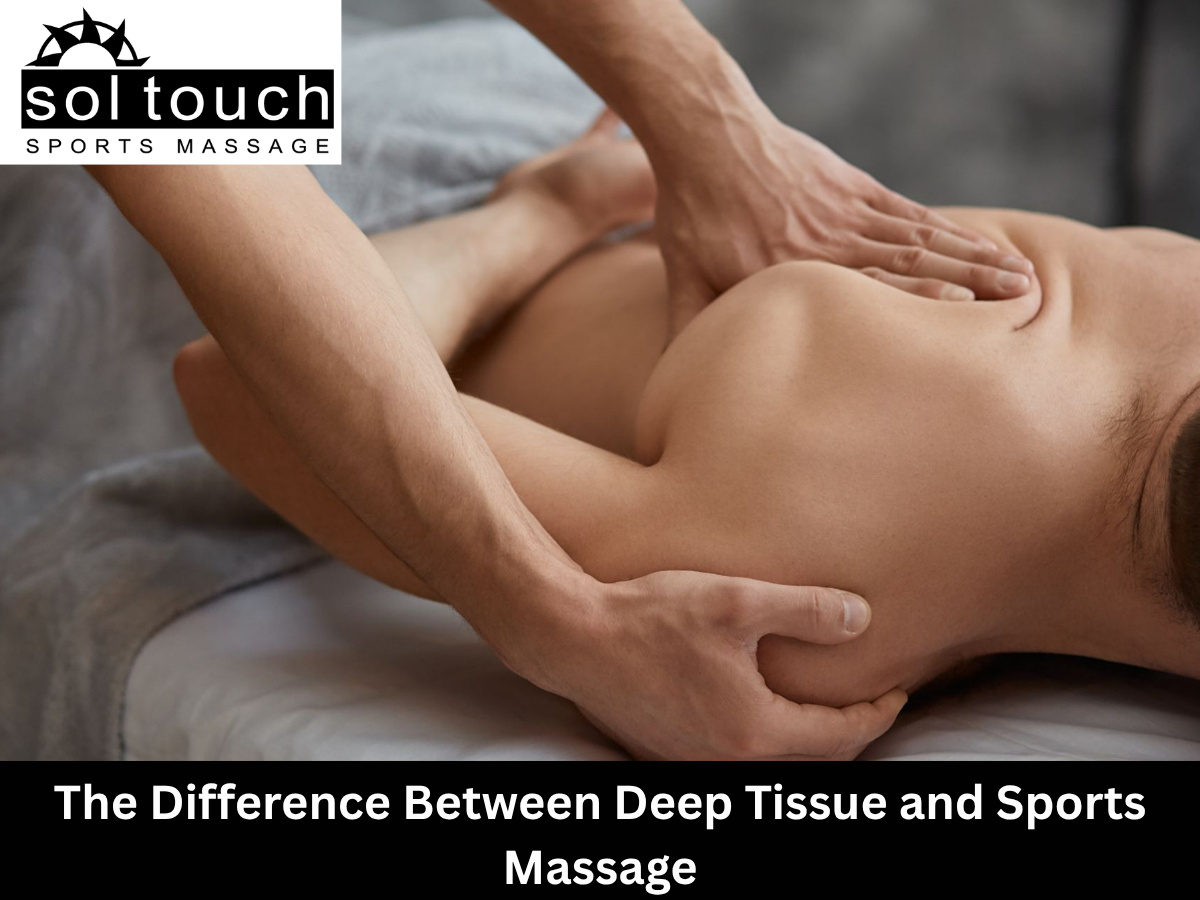
Choosing the right type of massage can make a big difference in how you feel after a workout, a long day at work, or a demanding training session. Deep tissue massage and sports massage are two popular options, but they are not the same. While both can address muscle tension and discomfort, they use different approaches and are often chosen for different reasons.
Understanding the difference can help you select a massage that fits your needs. Whether you are an athlete, someone who exercises regularly, or simply dealing with tight and overworked muscles, knowing what to expect can make your appointment more useful.
At Sol Touch Massage, clients can explore massage services designed around different needs, including deep tissue massage and sports massage. Understanding how these services differ can help you decide which option may be a better fit for your body and lifestyle.
What Is Deep Tissue Massage?
Deep tissue massage focuses on working into deeper layers of muscle and connective tissue. The therapist uses slow strokes and focused pressure to address areas where tension and tightness have built up.
Despite its name, deep tissue massage is not simply about using the hardest pressure possible. A professional therapist adjusts the pressure based on the client's comfort, the area being treated, and the condition of the muscles.
Who May Benefit From Deep Tissue Massage?
Deep tissue massage may be helpful for people who experience persistent muscle tightness or regularly place stress on certain muscle groups. It is often considered by people who exercise frequently, spend long hours sitting, perform physical work, or experience tension in areas such as the back, shoulders, hips, and legs.
For example, someone who spends eight hours at a desk may develop tight shoulders and upper back muscles. Someone who regularly lifts weights may experience tightness in the legs, glutes, or back. A massage therapist can focus on these areas during a session.
What Can You Expect During a Session?
A deep tissue session usually begins with lighter techniques to warm up the muscles. The therapist may then gradually apply more focused pressure to areas that need attention.
Communication is important throughout the appointment. If pressure feels too intense or uncomfortable, clients should let the therapist know. A productive massage should address muscle tension without making the client feel that they have to tolerate unnecessary pain.
What Is Sports Massage?
Sports massage is designed with physically active people and athletes in mind. It can be used as part of a broader recovery routine and may focus on muscles that receive repeated stress from training, exercise, or sports.
Unlike a general massage session, sports massage may be more specific to an individual's activity. A runner, for example, may need attention on the calves, hamstrings, hips, and legs, while a basketball player may need work around the legs, shoulders, and other heavily used areas.
Sports Massage Is Not Only for Professional Athletes
The name sports massage can make it sound like a service reserved for professional athletes, but that is not the case. Recreational runners, gym members, cyclists, weekend athletes, and people who simply maintain an active lifestyle may also consider sports massage.
Someone preparing for a long-distance race may schedule massage as part of their training and recovery routine. Similarly, someone who participates in strength training several times a week may use sports massage to address areas that become tight after repeated workouts.
Sports Massage Can Fit Different Stages of Training
Sports massage may be used at different points in an athlete's routine. Some people schedule sessions during regular training, while others may seek massage after particularly demanding workouts.
The appropriate timing depends on the person's activity, training schedule, goals, and individual needs. A qualified massage therapist can help determine what type of session and timing may be appropriate.
Deep Tissue vs. Sports Massage: Key Differences
Although these two massage types can overlap, their main difference is their purpose and focus.
Deep tissue massage generally concentrates on deeper muscle tension and areas that have developed significant tightness. Sports massage is more closely connected to physical activity and may be structured around the demands placed on the body by a specific sport or exercise routine.
Main Goal
Deep tissue massage often focuses on addressing areas of persistent muscle tension and tightness. Sports massage commonly focuses on supporting active bodies before, during, or after periods of physical activity.
Massage Techniques
Both services can use techniques that involve pressure and focused muscle work. However, sports massage may include a wider combination of approaches depending on the person's activity and goals.
A sports massage session may involve stretching, targeted work, and attention to muscles that are repeatedly used during a particular sport.
Who Typically Chooses Each Option?
Deep tissue massage may be a good consideration for people dealing with ongoing muscle tightness or those who want focused work on specific areas.
Sports massage is often considered by athletes and active individuals who want massage to be part of their training and recovery routine.
Neither option is automatically better. The right choice depends on why you want massage and what your body needs.
When Should You Choose Deep Tissue Massage?
Deep tissue massage may be worth considering when your main concern is muscle tension rather than sports-specific recovery.
For example, imagine someone who spends most of the week sitting at a computer and notices persistent tightness around the shoulders and upper back. A focused deep tissue session may be more appropriate than a sports-focused session because the primary concern is muscle tension.
Another example is someone who regularly performs physical work. Repeated lifting, standing, bending, or carrying can place stress on certain muscle groups. Focused massage may help address areas that feel particularly tight or overworked.
It is important to remember that massage is not a replacement for medical evaluation when pain is severe, persistent, or associated with an injury or other concerning symptoms. If you are unsure about the cause of your pain, speak with an appropriate health care professional.
When Should You Choose Sports Massage?
Sports massage may make more sense when your lifestyle involves regular physical activity and your massage needs are connected to exercise or sports.
Before an Athletic Event
Some athletes use massage as part of their preparation before an event. However, the timing and intensity matter. A very intense massage immediately before competition may not be appropriate for everyone.
If you are preparing for a race or sporting event, discuss timing with your massage therapist rather than scheduling an unfamiliar or intense session immediately before competition.
During Training
Regular training can place repeated demands on the same muscle groups. Sports massage may help active individuals pay attention to areas that regularly become tight during training.
For instance, a runner may focus on the legs and hips, while a swimmer may have different areas that require attention. The massage can be adjusted based on the individual's activity.
After Exercise
Recovery is an important part of a consistent fitness routine. Rest, hydration, proper nutrition, sleep, and appropriate physical care all contribute to recovery.
Sports massage can be one part of that routine. At Sol Touch Massage, sports-focused massage can be considered by athletes and active individuals who want professional massage support as part of their overall approach to recovery.
How to Decide Which Massage Is Right for You
The best place to start is by identifying why you want a massage.
If your primary concern is persistent muscle tightness, deep tissue massage may be worth discussing with your therapist. If you are training regularly and want massage to complement your sports or exercise routine, sports massage may be more appropriate.
Your activity level also matters. Someone who exercises occasionally may have different needs from a marathon runner who trains several days each week.
Consider Your Main Concern
Ask yourself a few simple questions before your appointment:
Are certain muscles consistently tight?
Do you exercise or participate in sports regularly?
Are you preparing for or recovering from an athletic event?
Do you spend long periods sitting or performing physical work?
Do you want focused muscle work or sports-related recovery support?
Your answers can give your massage therapist useful information when planning the session.
Talk With Your Massage Therapist
You do not have to know exactly which massage you need before making an appointment. A professional massage therapist can discuss your goals, activity level, areas of concern, and previous massage experience.
Be honest about injuries, medical conditions, medications, or anything else that could affect your session. When appropriate, your therapist may recommend speaking with a health care professional before receiving massage.
Practical Tips for Getting More From Your Massage
Regardless of whether you choose deep tissue or sports massage, a few simple habits can make your experience more comfortable.
First, communicate clearly. Tell your therapist which areas are bothering you and whether the pressure feels appropriate. Good communication helps the therapist adjust the session to your needs.
Second, stay hydrated and give your body time to recover after the appointment. Avoid treating massage as a substitute for sleep, proper nutrition, rest, and responsible training.
Third, avoid comparing your experience with someone else's. Massage needs vary considerably from person to person. What feels appropriate for an experienced athlete may not be suitable for someone receiving massage for the first time.
Finally, choose a qualified massage professional who takes time to understand your goals. At Sol Touch Massage, discussing your needs before the session can help determine whether sports massage, deep tissue massage, stretching massage, cupping, or Swedish massage is the most appropriate option.
Conclusion
Deep tissue and sports massage can both be useful options, but they serve different purposes. Deep tissue massage generally focuses on deeper muscle tension and areas of persistent tightness, while sports massage is more closely connected to athletic activity, training, and recovery.
The right choice depends on your body, lifestyle, activity level, and goals. You do not have to make the decision alone. A qualified massage therapist can discuss your needs and help determine which approach may be appropriate.
If you are in Tempe, Arizona, and want to learn more about your massage options, consider speaking with the team at Sol Touch Massage. With services including deep tissue, sports massage, stretching massage, cupping, and Swedish massage, Sol Touch Massage can help you explore an option that fits your needs and active lifestyle.
FAQs
Is sports massage the same as deep tissue massage?
No. They can use some similar techniques, but their focus is different. Deep tissue massage generally concentrates on deeper muscle tension, while sports massage is commonly structured around athletic activity, training, and recovery.
Is deep tissue massage painful?
It can involve firm pressure, but it should not require you to tolerate severe or unnecessary pain. Tell your therapist if the pressure feels too intense so they can adjust the session.
Can non-athletes get sports massage?
Yes. Sports massage is not limited to professional athletes. Recreational runners, gym members, cyclists, and other active people may also consider it as part of their regular physical care.
How often should I get a massage?
There is no single schedule that works for everyone. Frequency depends on your activity level, goals, muscle tension, training schedule, and individual circumstances. Your massage therapist can help you determine a reasonable schedule.
Which massage is better for tight muscles?
Both can address muscle tightness, but the better option depends on why the muscles are tight. Deep tissue massage may be appropriate for focused muscle tension, while sports massage may be useful when tightness is connected to regular athletic activity.
Can sports massage help after a workout?
Sports massage may be used as part of an overall recovery routine after exercise. However, recovery also depends on rest, hydration, nutrition, sleep, and appropriate training practices.
How do I choose between deep tissue and sports massage?
Think about your main reason for getting a massage. If you want focused work on persistent muscle tension, discuss deep tissue massage with your therapist. If your needs are connected to sports or regular exercise, ask about sports massage.