
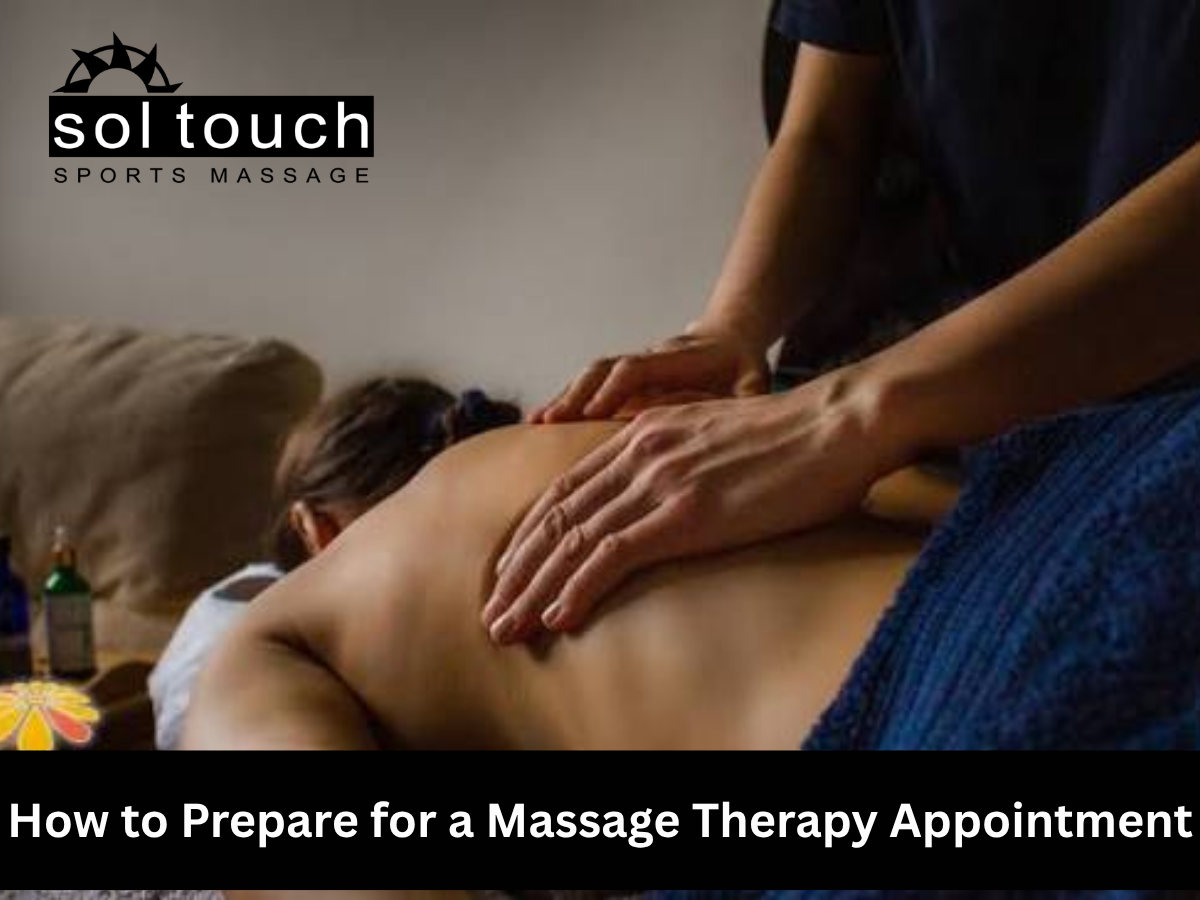
Booking your first massage can feel exciting, but you may also have questions about what to do before the appointment. Should you eat beforehand? What should you wear? Should you tell the therapist about sore muscles or areas you want them to focus on?
Knowing what to expect can make the experience much easier. A little preparation can help you arrive relaxed, communicate your needs clearly, and get more comfortable during your session.
Massage therapy can be used for relaxation, muscle care, recovery, and general wellness. At Sol Touch Massage, clients can choose from options such as sports massage, deep tissue massage, stretching massage, cupping, and Swedish massage.
What to Do Before Your Appointment
Preparing for a massage does not require a complicated routine. The goal is simply to give yourself enough time to arrive comfortable and ready.
Schedule Enough Time
Avoid rushing to your appointment. Give yourself extra time for travel, parking, and checking in.
Arriving a few minutes early can help you settle down instead of walking into your appointment feeling stressed.
Drink Water
Staying hydrated is a basic part of taking care of your body. Drink water throughout the day rather than waiting until immediately before your appointment.
You do not need to drink an excessive amount of water before a massage. Simply maintain your normal hydration habits.
Avoid a Heavy Meal Right Before
A large meal immediately before lying down for a massage may leave you feeling uncomfortable.
If you are hungry, a light meal or snack earlier in the day may be more comfortable. Give your body some time to digest before the appointment.
What Should You Wear?
Massage appointments typically involve removing some clothing so the therapist can work on the appropriate areas. Your therapist will explain what you need to do and provide appropriate draping for privacy.
Choose Comfortable Clothing
Wear something comfortable and easy to change in and out of.
Loose clothing can also be helpful after your appointment, particularly if you prefer not to put on tight clothing immediately following a massage.
Privacy Matters
Professional massage sessions use draping to maintain privacy while allowing the therapist to work on the areas being treated.
You should never feel pressured to remove more clothing than you are comfortable removing. Discuss any concerns with your therapist before the session.
Tell Your Therapist What You Need
One of the most important parts of preparing for a massage is knowing what you want from the session.
Think about your recent activities and how your body has been feeling.
Mention Areas of Muscle Tension
If your shoulders, back, legs, hips, or another area feels tight, tell your therapist.
Specific information can help your therapist understand where you would like attention during the appointment.
Discuss Pressure Preferences
Everyone has different preferences when it comes to pressure. Some people enjoy lighter pressure, while others prefer firmer techniques.
Do not assume you need to tolerate discomfort. Tell your therapist if the pressure is too strong or too light.
Explain Your Activities
If you exercise regularly, mention the types of activities you do. Running, weightlifting, cycling, sports, and physical work can all place different demands on the body.
This information can help guide the conversation about which massage approach may fit your goals.
Prepare for Different Types of Massage
The preparation may be similar for many massage services, but your goals can vary depending on the type of session.
Sports Massage
If you are booking sports massage, think about your recent workouts and upcoming activities.
Tell your therapist if you are training for an event or have been focusing heavily on a particular muscle group.
Deep Tissue Massage
For deep tissue massage, discuss pressure before the session begins. Deep tissue techniques can involve firmer pressure, so communication is especially important.
Tell your therapist about areas that feel tight and let them know if anything becomes uncomfortable.
Stretching Massage
If you are having a stretching-focused session, mention any areas where you experience restricted movement.
Stretching should remain comfortable and should not be forced through pain.
Cupping
If you are trying cupping for the first time, ask what to expect before the session. Cupping can leave temporary circular marks on the skin.
Tell your practitioner about relevant health concerns before the appointment.
What Not to Do Before a Massage
There are also a few things you may want to avoid immediately before your session.
Do Not Arrive Rushed
Being late or rushing through traffic can make it harder to relax. Leave enough time to arrive without unnecessary stress.
Do Not Hide Important Information
Tell your therapist about relevant health concerns, recent injuries, or anything else that may affect the session.
If you have a medical condition or injury, seek appropriate professional advice before receiving massage when necessary.
Do Not Expect Pain to Mean a Better Massage
More pressure does not automatically mean a better massage. A session should be appropriate for your body and your goals.
If something hurts or feels wrong, communicate with your therapist.
How to Prepare Mentally
Massage is also an opportunity to slow down. If you arrive distracted or stressed, it may take longer to settle into the session.
Put Your Phone Away
If possible, silence your phone before the appointment. This can help you stay focused on the experience.
Communicate Clearly
Do not be afraid to speak up. Your therapist needs to know what you prefer.
Simple information such as "lighter pressure," "more focus on my shoulders," or "my legs have been tight after running" can be useful.
What to Expect During Your First Appointment
If this is your first massage, your therapist may ask questions about your goals, activities, and areas of concern.
You may then discuss the type of massage and pressure that feel appropriate.
Once the session begins, you can continue communicating. If you need a change in pressure or position, let your therapist know.
After Your Appointment
Preparation does not end when the massage is finished. Give yourself some time to transition back into your normal routine.
Drink water, move gently, and avoid immediately scheduling an extremely demanding workout if you feel that your body needs rest.
Some people may experience temporary tenderness after certain types of massage, particularly when firmer pressure is used. Severe or persistent pain should be discussed with an appropriate healthcare professional.
Conclusion
Preparing for a massage therapy appointment is simple. Arrive with enough time, stay normally hydrated, avoid a heavy meal immediately beforehand, wear comfortable clothing, and think about what you want from the session.
Most importantly, communicate with your therapist. Tell them about your activities, areas of tension, pressure preferences, recent injuries, and relevant health concerns.
Sol Touch Massage offers sports massage, deep tissue massage, stretching massage, cupping, and Swedish massage for different preferences and goals. Taking a few minutes to prepare and communicate clearly can help make your appointment more comfortable and productive.
FAQs About Preparing for Massage Therapy
Should I eat before a massage?
You can eat before a massage, but avoid having a very large meal immediately beforehand. A light meal or snack earlier in the day may be more comfortable.
What should I wear to a massage?
Wear comfortable clothing that is easy to change in and out of. Your therapist will explain the clothing and draping process before the session.
Should I drink water before a massage?
Normal hydration is fine. Drink water throughout the day and avoid trying to consume a large amount immediately before your appointment.
Should I tell my therapist where I am sore?
Yes. Tell your therapist about areas that feel tight, tired, or uncomfortable. Also mention your recent physical activities and pressure preferences.
Is massage supposed to hurt?
Massage does not need to be painful to be effective. If pressure feels uncomfortable, tell your therapist so the session can be adjusted.
Can I exercise before a massage?
You can have a massage after physical activity, but the best timing depends on the type and intensity of the workout and the massage. Discuss your training schedule with your therapist.
What should I do after massage therapy?
Give yourself time to relax, stay normally hydrated, and avoid pushing yourself into intense activity if your body feels like it needs additional recovery.