
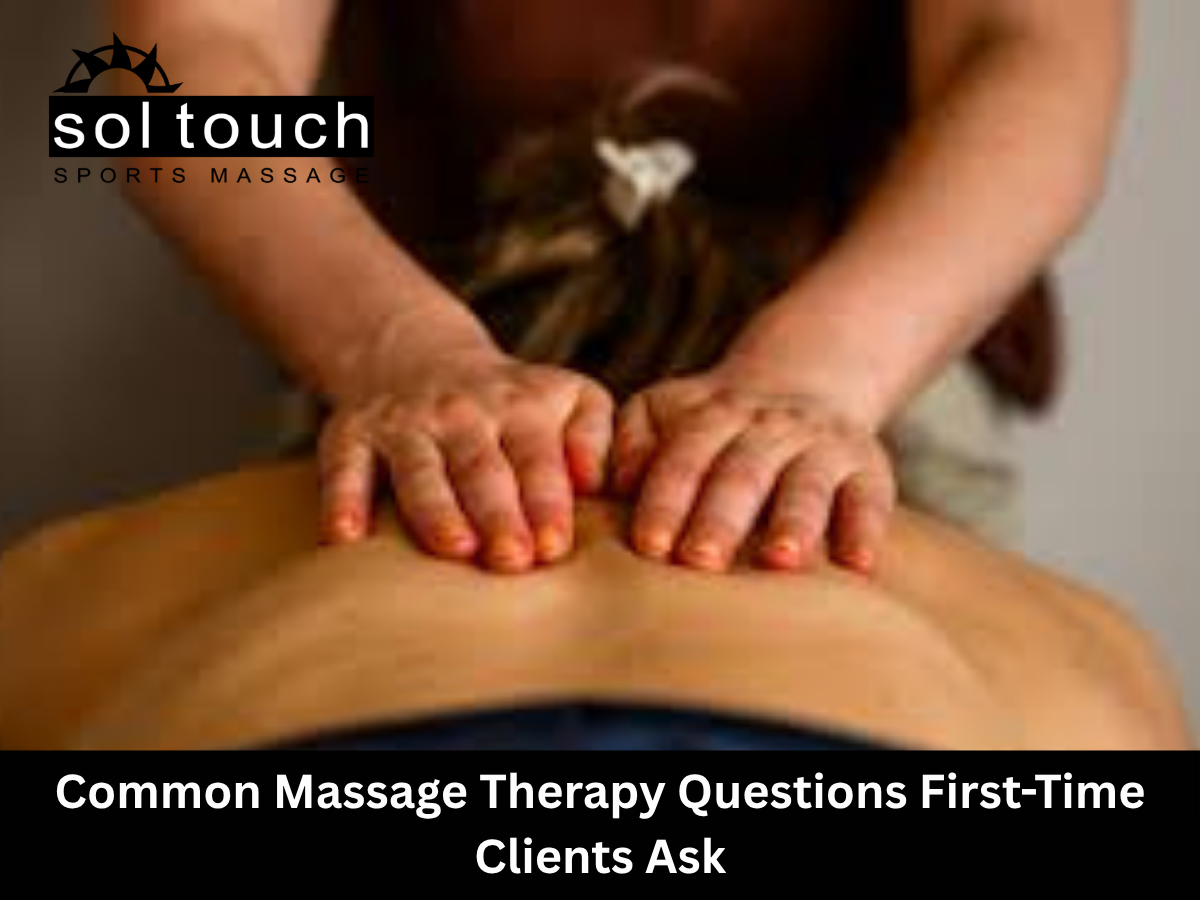
Trying massage for the first time can bring up plenty of questions. You may wonder what to wear, how the appointment works, whether you need to talk during the session, or what type of massage is right for you.
These questions are completely normal. Understanding the basics before your appointment can help you feel more comfortable and prepared.
Massage therapy can be used for relaxation, muscle care, recovery, mobility, and general wellness. Sol Touch Massage offers several options, including sports massage, deep tissue massage, stretching massage, cupping, and Swedish massage.
What Happens During a First Massage?
A first appointment usually begins with a conversation about what you want from the session. Your therapist may ask about areas of tension, your daily activities, pressure preferences, and any relevant concerns.
This conversation gives you an opportunity to explain what you are hoping to get from the appointment.
Will the Therapist Ask About My Goals?
Yes. Your goals are useful information.
If you exercise regularly, mention your activities. If you spend long hours at a desk, explain where you usually feel tension. If relaxation is your main goal, let your therapist know.
Can I Ask Questions?
Absolutely. You should feel comfortable asking about the techniques being used, what to expect, and how the session will work.
If something is unclear, asking questions before or during your appointment can help you feel more comfortable.
What Should I Wear for a Massage?
Massage involves direct work on the areas being treated, so you will usually remove some clothing before the session. Your therapist will explain the process and use appropriate draping to maintain privacy.
Do I Have to Remove All My Clothes?
No. You should only remove the clothing you are comfortable removing and as much as is appropriate for the massage.
If you have concerns about clothing or privacy, discuss them with your therapist before the session begins.
What Should I Wear to the Appointment?
Comfortable clothing that is easy to change in and out of is generally a practical choice.
Loose clothing can also feel more comfortable after the appointment.
Does Massage Therapy Hurt?
Massage does not need to be painful. Some techniques, especially deeper massage, may create noticeable pressure, but you should be able to communicate with your therapist throughout the session.
What If the Pressure Is Too Strong?
Tell your therapist. You can ask for lighter pressure at any point.
Everyone has different preferences, and what feels comfortable for one person may feel too intense for another.
Is More Pressure Better?
No. Stronger pressure is not automatically better.
The appropriate pressure depends on the type of massage, your goals, your comfort level, and how your body responds.
What Type of Massage Should a Beginner Choose?
There is no single massage that is best for every first-time client. Your choice should depend on what you want from the session.
Swedish Massage
Swedish massage is commonly associated with relaxation and lighter techniques. It may be a comfortable starting point for someone primarily interested in unwinding.
Deep Tissue Massage
Deep tissue massage uses more focused pressure and may appeal to people who experience muscle tightness.
If you are new to massage, discuss pressure expectations with your therapist before beginning.
Sports Massage
Sports massage may be appropriate for active people who run, lift weights, cycle, play sports, or perform other physical activities.
Stretching Massage
Stretching massage focuses more on movement and flexibility. It may appeal to active people who want to include mobility work in their wellness routine.
Cupping
Cupping involves creating suction with cups placed on the skin. Temporary circular marks can occur afterward.
If you have never tried cupping, ask your practitioner what to expect before the session.
How Long Does a Massage Appointment Last?
Session length can vary depending on the service and your appointment. When booking, ask how long the session will take and whether the scheduled time includes preparation.
Knowing the expected length can help you plan your day without feeling rushed.
Should I Eat Before a Massage?
You can eat before a massage, but a very large meal immediately beforehand may make lying down uncomfortable.
If you are hungry, consider eating a light meal or snack earlier and giving yourself time to digest.
Should I Drink Water Before and After?
Normal hydration is appropriate before and after massage. You do not need to drink excessive amounts of water.
Continue your usual hydration habits throughout the day, especially if you are physically active.
Can I Talk During a Massage?
Yes. Communication is important.
You can talk with your therapist about pressure, comfort, temperature, positioning, or anything else that affects your experience.
If you prefer a quiet session, you can also let your therapist know.
Should I Tell the Therapist About Injuries?
Yes. Mention recent injuries and relevant health concerns before the massage.
Massage should not be used to ignore serious symptoms. If you have an injury or medical condition that could affect your ability to receive massage, seek appropriate professional guidance.
What Should I Do After My Massage?
After your appointment, give yourself some time to relax if possible. Stay normally hydrated and avoid immediately pushing your body into demanding activity if you feel tired or tender.
Some people may experience temporary tenderness after firmer massage techniques. Severe or persistent symptoms should be evaluated by an appropriate healthcare professional.
How Often Should I Get a Massage?
There is no universal schedule. Some people get massage occasionally when they want to relax, while others include it regularly as part of an active recovery routine.
Your activity level, personal preferences, budget, and goals can all influence how often you book an appointment.
Is Massage Only for Athletes?
No. Massage can be useful for many different people.
Office workers may seek massage for everyday muscle tension, physically active workers may want time to relax, and people who exercise regularly may use massage as part of their recovery routine.
The type of massage can vary depending on the person's needs.
Conclusion
Your first massage does not have to feel complicated. Most of the important preparation comes down to understanding what you want, communicating clearly, and giving yourself enough time to arrive without rushing.
Whether you want relaxation, muscle care, recovery support, or mobility-focused work, there are different massage approaches to consider. Sol Touch Massage offers sports massage, deep tissue massage, stretching massage, cupping, and Swedish massage.
If you are new to massage, do not hesitate to ask questions before your appointment. A clear conversation with your therapist can help you understand your options and feel more comfortable throughout the experience.
FAQs About First-Time Massage Therapy
Do I need to prepare before my first massage?
Basic preparation is simple. Arrive on time, stay normally hydrated, avoid a heavy meal immediately before your session, and think about what you want from the appointment.
What if I feel uncomfortable during the massage?
Tell your therapist immediately. They can adjust pressure, positioning, or the focus of the session.
Can I request a specific area?
Yes. Tell your therapist which areas feel tight or receive the most physical stress. They can discuss how the session may address those areas.
Is massage appropriate for everyone?
Massage is not appropriate in every situation. Certain health conditions, injuries, or circumstances may require medical guidance or modifications. Discuss relevant concerns before your session.
Can I get massage if I exercise regularly?
Yes. Many active adults include massage in their broader recovery and wellness routines. Sports massage and deep tissue massage are common options for people who exercise.
How do I know which massage to choose?
Think about your primary goal. Swedish massage may suit relaxation, sports massage may fit an active lifestyle, deep tissue massage may appeal to people with muscle tightness, and stretching massage may support mobility goals.
What should I tell my massage therapist?
Tell your therapist about your goals, activities, areas of tension, pressure preferences, recent injuries, and relevant health concerns. Clear communication can make the session more comfortable.